Google Ads
Facebook Ads vs Google Ads: Which Is Better for Small Businesses?

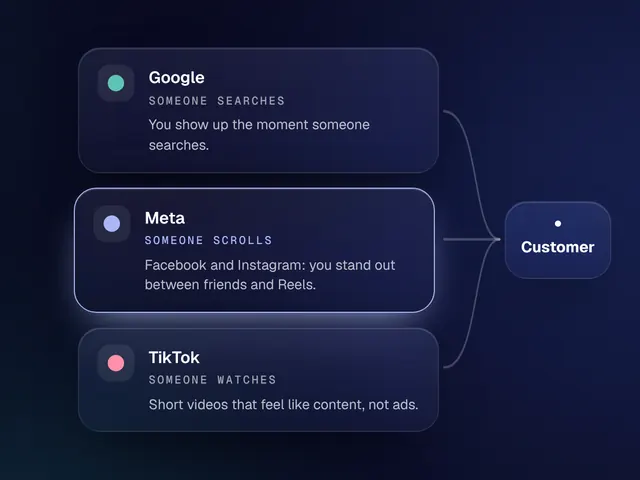
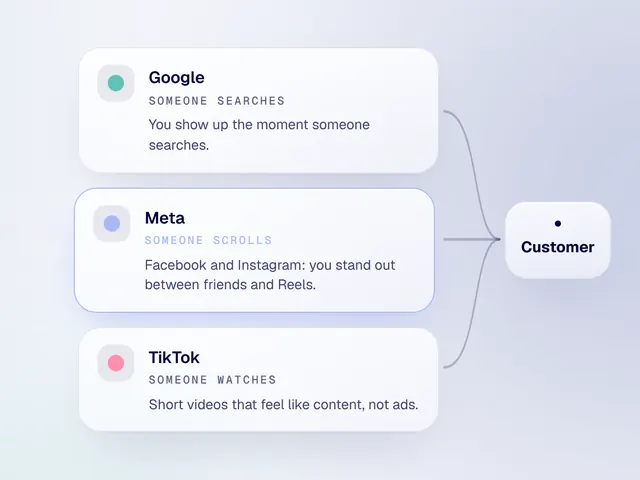
Facebook ads advertising works best when people were not looking for you yet, and Google Ads works best when they already are. That is the core difference for a small business. On Facebook you put an offer in front of people who are scrolling. On Google you appear when someone types what you sell. Which one is better depends on what you sell and how people buy it.
What is the difference between Facebook ads and Google Ads?
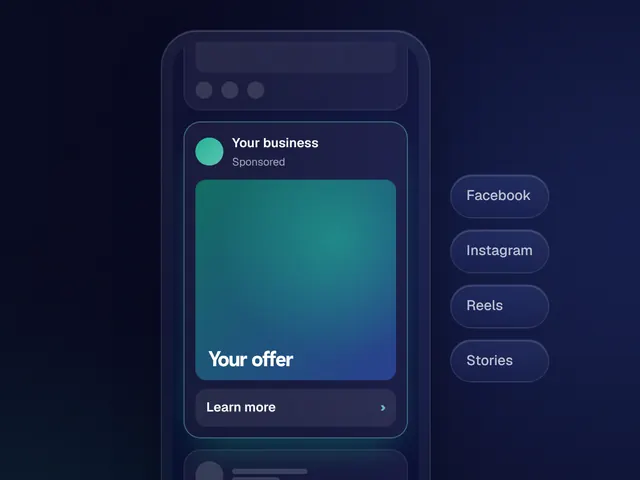
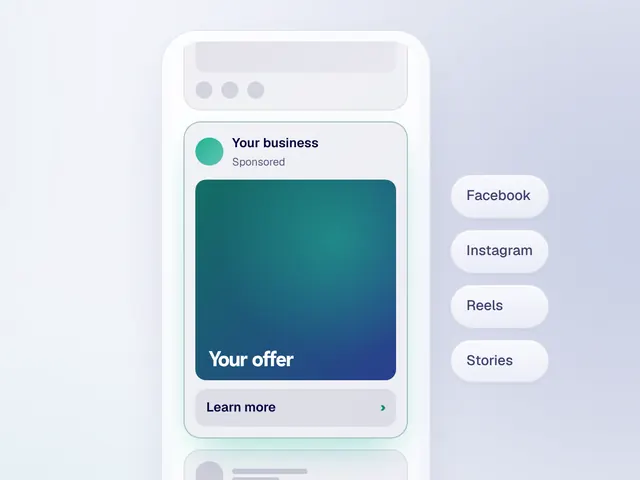
Facebook ads are shown on Facebook and Instagram, which are both run by Meta. You pick a place, an age range and interests, and Meta shows your ad to people who fit. The ads are targeted at a type of person. You are interrupting someone's scroll with a picture and a few lines.
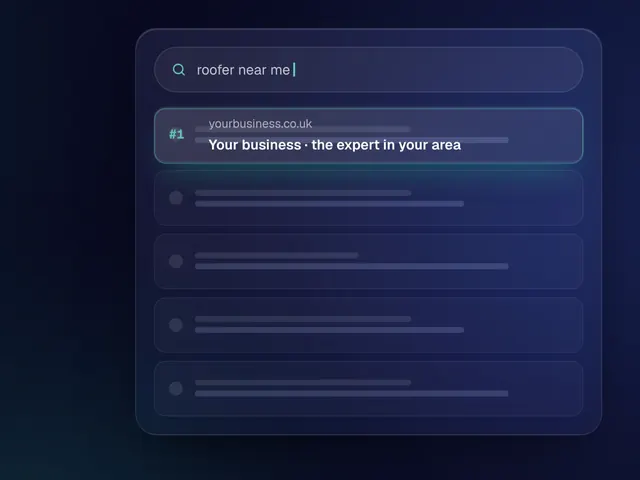
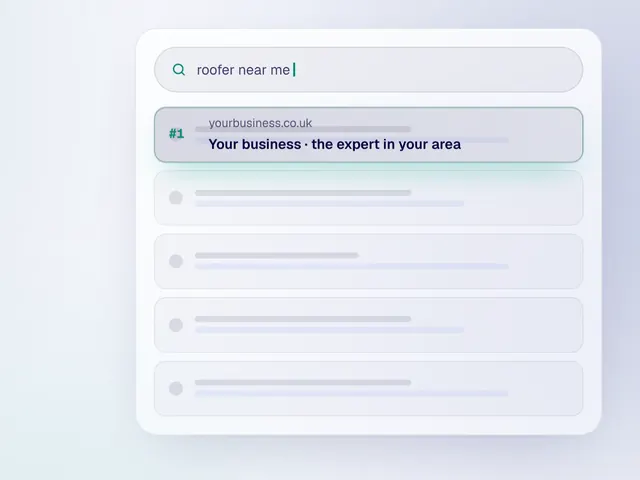
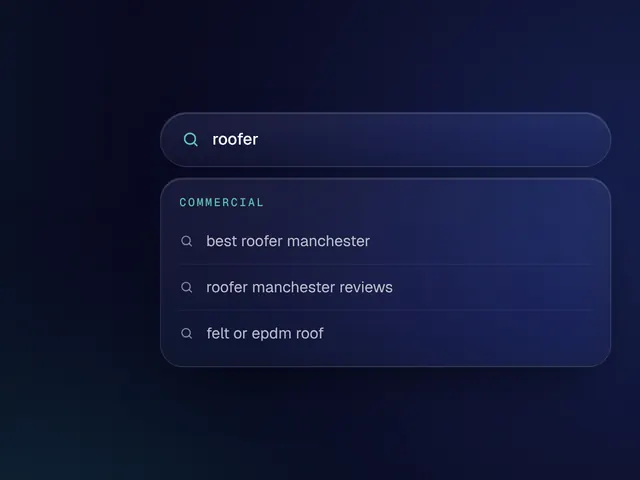
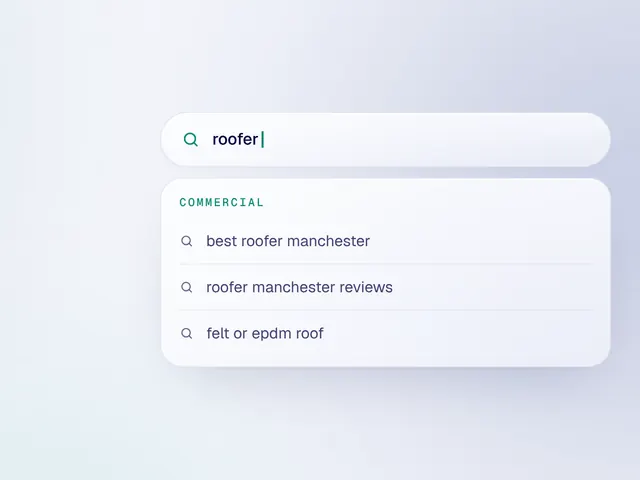
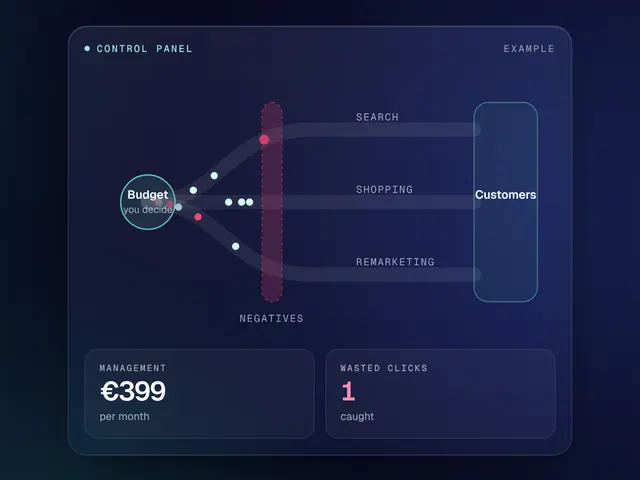
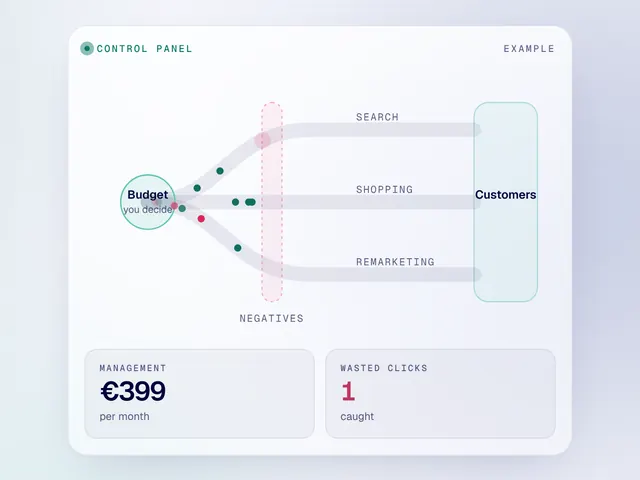
Google Ads works the other way round. You choose the words people type into Google, called keywords, and your ad can appear above the normal results when someone searches for them. The ads are targeted at a question. Someone has already decided they want something.
Take a plumber and a candle maker. When a pipe bursts, nobody scrolls Instagram looking for a plumber. They search on Google. But the person who buys a hand-poured candle did not know she wanted one until she saw a good photo. That is the difference in one picture.
When are Facebook ads the better choice?
Facebook ads are a good fit when your product is visual, when people buy on impulse, or when nobody searches for it by name yet. A new yoga class, a bakery launching a cake range, a webshop with handmade jewellery, a restaurant with a new menu: all of these can work, because the picture does the selling.
They are also useful for reminding people. You can show ads to people who already visited your website. This is called retargeting. It works through a small piece of code on your site (Meta calls it a pixel) that tells Meta who visited. Many buyers need to see you a few times before they act.
The weak spot is attention. People on Facebook did not come to buy from you. Your picture and your first line have to earn the click. If your photos are poor or your offer is vague, the money disappears quickly.
When is Google Ads the better choice?
Google Ads is the better choice when people already search for what you do. Plumbers, dentists, locksmiths, accountants, holiday rentals, car hire, repair shops: someone types the need, and you are there with an answer. That is a warm visitor, not a cold one.
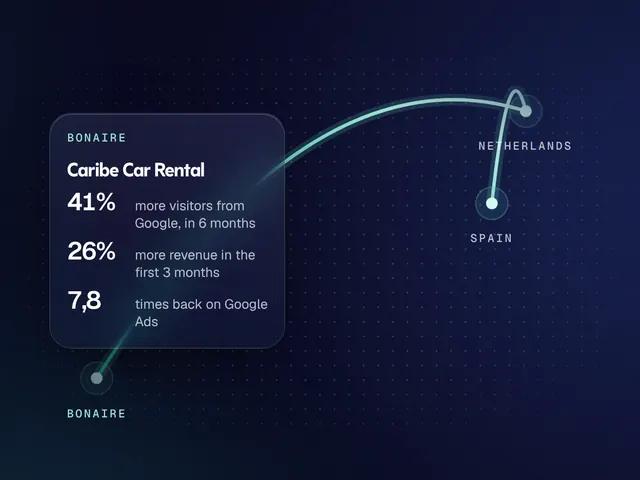
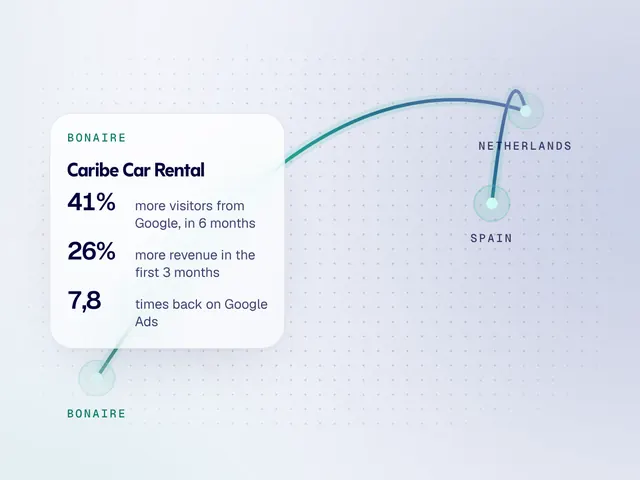
Caribe Car Rental on Bonaire is a good example. I built the website, worked on SEO and ran the Google Ads. Every euro spent on Google Ads returned €7.80. That works because a traveller searching for a car on the island is close to booking. I do not promise the same result for every business, but it shows what a searching customer is worth.
The weak spot of Google Ads is cost and competition. Popular search words can be expensive, and a careless setup pays for clicks that never become customers. Good keyword research for Google Ads, including a list of words you do not want to pay for, is what keeps the budget under control.
Is €20 a day enough for Facebook ads?
It can be, if you keep the job small. €20 a day is about €600 a month. That is enough to test one offer in one local area. It is not enough to test five audiences, three offers and ten pictures at the same time.
Treat the first two weeks as a test, not a verdict. Meta's system needs some days to learn who responds, and one slow day tells you nothing. Choose one offer, one area and two or three pictures. Then look at how many real enquiries came in, not only clicks.
On Google the budget works differently. If the words you want cost a lot per click, a small daily budget buys only a few visitors. So check what your search words cost in your area before you decide where the money goes.
How do I start advertising on Facebook?
You do not need an agency to start. You need a Facebook page for your business, an account in Meta's ad tool, and a clear idea of what you want people to do. Go through these steps in order:
- Pick one goal: messages, enquiries through a form, or visits to your website. Not all three.
- Choose your area and audience. A local business should start with a radius around the shop or the service area, not a whole country.
- Write one clear offer, such as a free quote, a trial lesson or a seasonal product, and use a real photo of your work.
- Set a daily budget you can afford to lose while you learn.
- Make sure the page you send people to loads fast on a phone and has one obvious next step.
What is not allowed in Facebook ads?
Ads are checked against Meta's advertising policies before they run. In practice, keep your claims honest, do not make personal assumptions about the viewer, and take extra care with topics such as health, money and housing. These have their own rules, so read the current policy before you start.
You may also hear about the "20 rule". It was an older guideline about how much text could sit on an ad image. Check Meta's current guidance, because the rules change. Either way, a clean picture with a short line tends to read better than a crowded one.
Which one should a small business start with?
My rule of thumb: if people already search for what you sell, start with Google Ads. If they do not, or if your product sells on looks, start with Facebook ads. If you have budget for only one, choose the one closest to the moment someone is ready to buy. For most local service businesses, that is Google.
I manage Google Ads, so I am not a neutral party on that side. Even so, a bakery launching a new product may do better on Instagram first, and I would tell you that rather than sell you the wrong channel. Whichever you choose, the page people land on matters as much as the ad. A good ad that sends people to a slow or confusing page wastes money, and conversion optimisation is often cheaper than more ad spend.
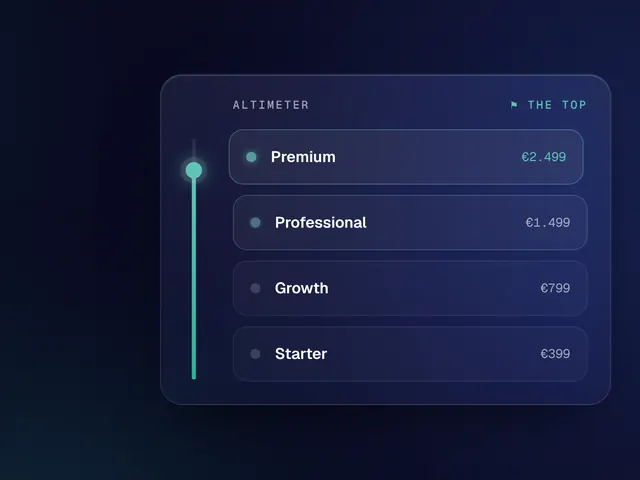
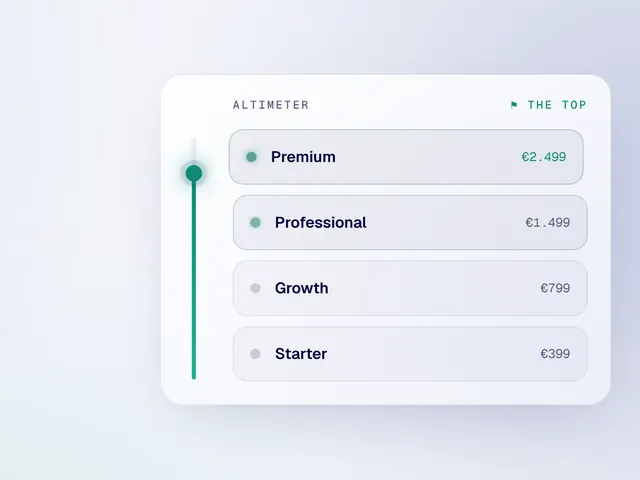
My Google Ads management packages start at €399 per month, you can cancel each month, and the ad spend comes on top. You talk to me directly, and I do the work myself. The first thing to find out is whether people in your area already search for what you sell, because that decides where your first euro goes. I check this in the quickscan, so request the free quickscan before you set up any ad account.
Frequently asked questions
Is Facebook advertising cheaper than Google Ads?
Not always. Facebook clicks are often cheaper, but the people clicking are less ready to buy. Google clicks can cost more, yet the visitor is searching for your service right now. Compare the cost per enquiry, not the cost per click. That number tells you which one pays for itself.
Can I use Facebook ads and Google Ads together?
Yes, and it often works well once one of them is running properly. Google catches people who are searching. Facebook reminds people who visited your site but did not get in touch. Start with one, check that it brings enquiries, and add the second when you have budget to test it.
How much should a small business spend on ads?
Spend an amount you can afford to lose while you learn, and keep it steady for at least a few weeks. For Google Ads, my packages start at €399 per month for management, with the ad spend on top. The right budget depends on what your search words cost in your area.
How do I know if my ads are working?
Count real enquiries: calls, form messages, bookings or orders. Clicks and views are only a first sign. Set up tracking so you can see which ad led to which enquiry, then divide your ad spend by the number of enquiries. That is what each customer costs you.
Dimitry founder of Growetic. He does SEO, Google Ads and websites for businesses in the Netherlands, on Bonaire and in Spain.