













SEO
What is SEO in marketing, and what role does it play for a small business?

What is SEO in marketing? It's the part of your marketing that helps people find your website in Google when they search for what you sell. SEO stands for search engine optimisation: improving your site so Google understands what it's about and shows it to the right people. You don't pay per click, but it does take time and steady work.
What is SEO, and why does it belong in your marketing?
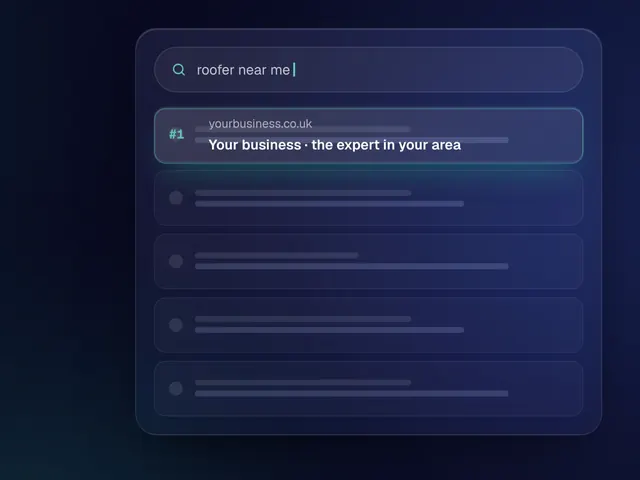
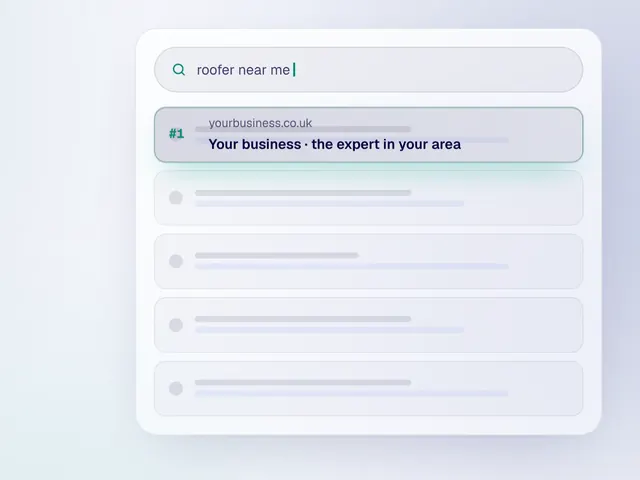
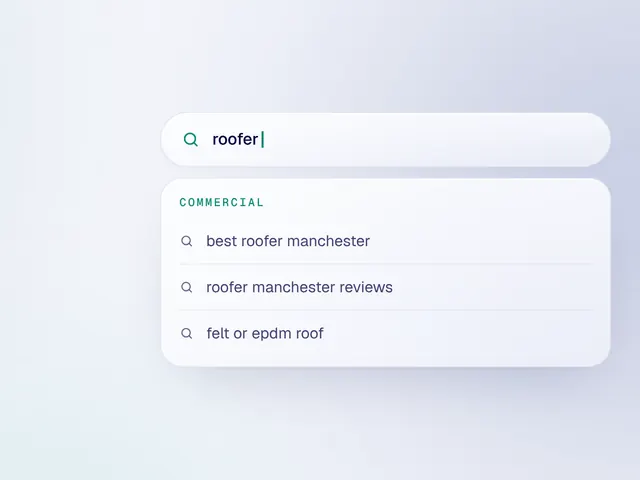
Picture a physiotherapist in Leeds, a plumber in Alicante or a bike shop in Willemstad. Someone types 'back pain treatment near me' or 'bike repair today' into Google. Google shows a list of results. SEO is the work that gets your business onto that list, and as high up as is honest and realistic.
A search engine, like Google, is a tool that sorts millions of web pages and picks the ones that best answer a question. Your job is to make it easy for that tool to understand your website: what you do, where you do it and who it's for.
Why is this marketing and not just a technical job? Most marketing interrupts people: a flyer, a social media ad, a banner. SEO meets people who are already looking for you. They have a problem and they are typing it out. That is a good moment to appear.
There is a catch. SEO is a process, not a switch. A good page can keep bringing visitors for months without you paying per visit, but it rarely does that in week one. Bloemenhuis Orchidee, for example, got 118% more organic traffic (visitors who come from unpaid Google results) in 3 months with SEO. That is a good result, and note that it measures visitors, not sales. Your own timeline will depend on your market and your starting point.
What are the three parts of SEO?
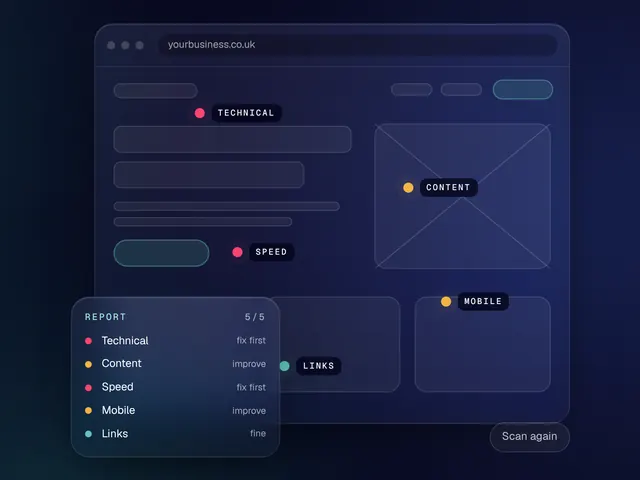
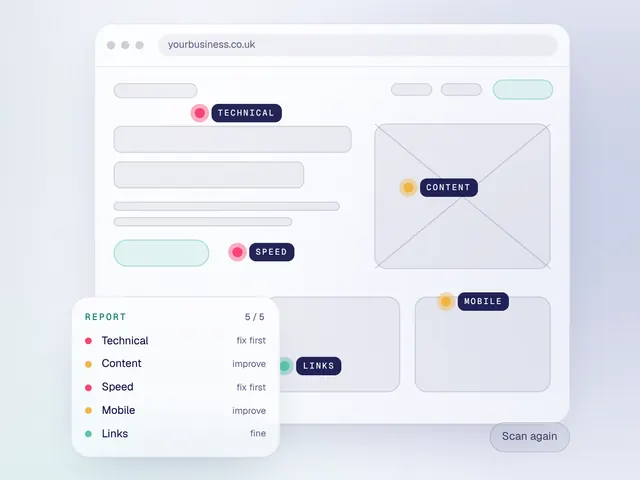
Almost all SEO work falls into three buckets. If you know them, you can tell quickly where your own site is weak.
- Technical: your website loads fast, works on a phone and can be read by Google. If Google can't get into a page properly, nothing else you do on it matters.
- Content: pages that answer what people actually search for. One page per service works better than one 'Services' page that covers everything in two lines.
- Authority: signs that you are a real, trusted business. That means other websites linking to yours, good reviews and a complete Google Business Profile (the free listing that shows your business on Google Maps).
What are good SEO keywords?
A keyword is simply the words someone types into Google. 'Photographer' is a keyword, but a weak one for you. It is too broad, and the person typing it could want anything. 'Wedding photographer Mallorca' is much better. Fewer people search it, but those who do are closer to booking.
These longer, more specific phrases are called long-tail keywords. For a small business they are usually the best place to start, because the competition is smaller and the visitor knows what they want.
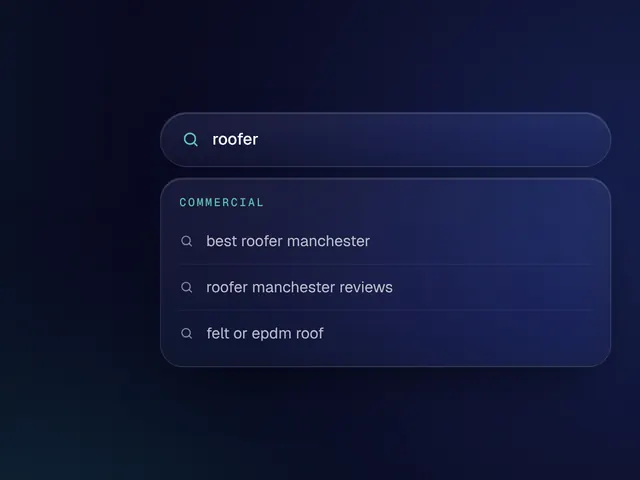
A simple way to find them: write down how your customers describe their problem, in their words and not yours. Type those words into Google and look at the suggestions that appear while you type. Then look at the results. If the first page is full of big directories and national chains, try a more specific phrase or add your town.
If you want a more structured approach, read how keyword research works and how to pick the phrases worth building a page around.
Can you do SEO yourself, and can ChatGPT write your texts?
Yes, you can do the basics yourself. Pick one service, choose one phrase a customer would type, and make one good page for it: a clear title, a plain explanation, your prices or a price range if you can, your area, a few real photos and a way to get in touch. Then do the next service. That is also how a beginner learns SEO: by doing one page at a time and watching what happens, not by reading for three months first.
ChatGPT can help with parts of this. It is useful for brainstorming search phrases, suggesting headings, tidying up your own rough text or drafting a first version. What it can't do is know your customers, your prices or your town. Left alone, it writes text that sounds fine and could belong to any business, and it sometimes states things that are not true.
So use it as an assistant. Let it draft, then add what only you know: the real questions customers ask you, how you work, what a job costs, what makes you different. Check every fact before you publish.
Where people usually get stuck is the technical side, the time it takes and knowing what to do next. That is when it makes sense to hand it over.
How much does SEO cost per month?
Doing it yourself costs no fees, but it does cost hours. Be honest about how many you can spare each week, and whether you will still do them in month four.
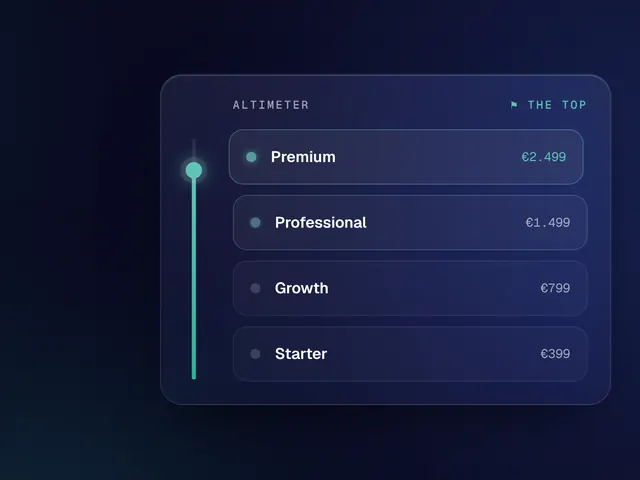
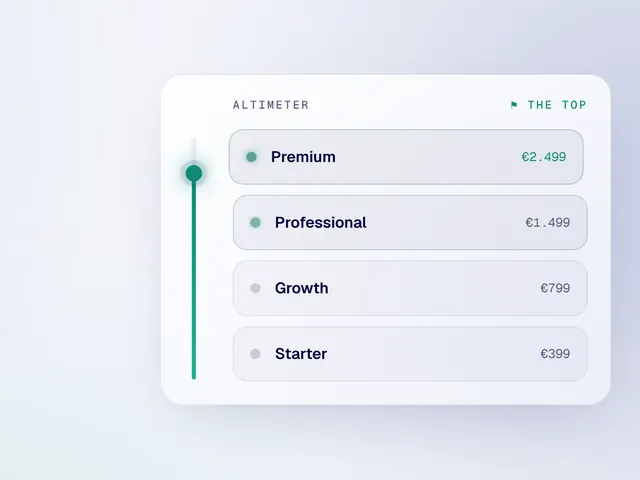
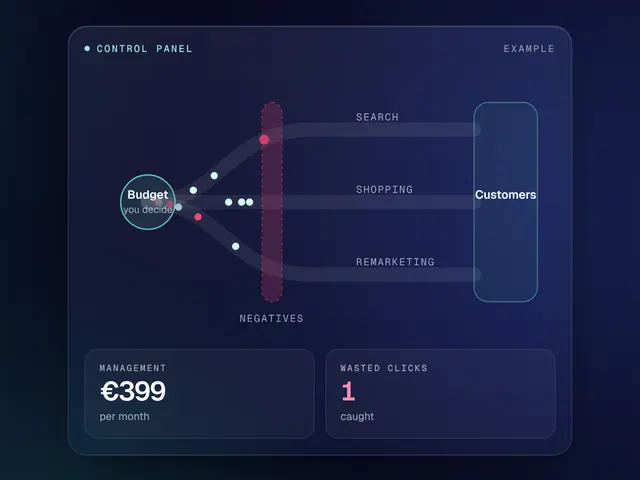
If you hire someone, the price should be clear before you start. At Growetic, SEO packages cost €399, €799, €1,499 or €2,499 per month, and you can cancel every month. You talk to Dimitry, the founder, and he does the work himself.
Which package fits depends on how many services and areas you want to be found for, and how busy your market is. A hairdresser in one town needs less than a webshop selling in several countries.
If you first want to know what is wrong with your site, an SEO audit costs €199. It is a check of your website with a list of what to fix.
SEO or Google Ads: which fits you?
With Google Ads, you pay Google each time someone clicks your advert. Visitors arrive the day you switch it on and stop the day your budget runs out. With SEO you wait longer, but a page that ranks keeps bringing visitors without a fee for every click.
A rough rule of thumb: if you need customers this month, start with ads. If you are building something for the next few years, put time into SEO. Many small businesses do both, with ads for quick enquiries and SEO growing in the background.
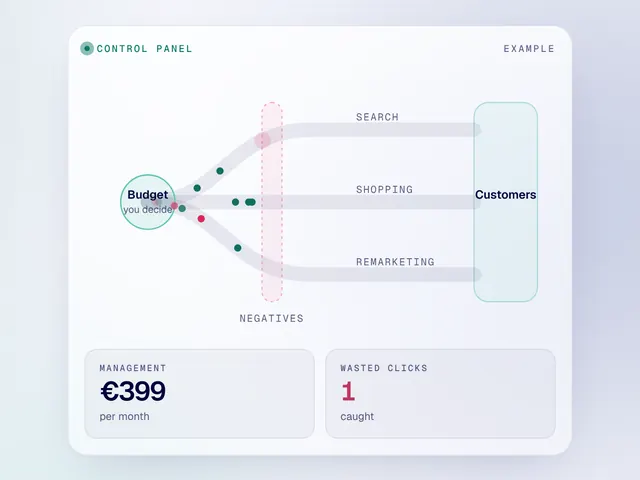
One practical note: with Google Ads at Growetic, your ad spend comes on top of the management fee. That money goes straight to Google, so decide on a budget you are comfortable with before you start.
Where do you start with SEO, and how do you know it works?
Start small and keep it measurable. First, write down your three most important services and the place or area you serve. Then make or improve one page per service, using the words your customers use.
If you serve a local area, complete your Google Business Profile with photos, opening hours and services. Next, connect your site to Google Search Console, a free tool that shows which searches bring people to your website.
Once a month, count the enquiries, calls and bookings that came in, and see which pages brought them. That tells you more than a ranking number does. If you would rather know where your site stands before you spend any time on it, you can request the free quickscan. It is free even if you don't buy anything afterwards.
Frequently asked questions
Is SEO still worth it?
Yes, for most businesses that people look for on Google. People still search when they need a plumber, a dentist or a gift. SEO won't suit everyone, and it is slower than ads, but a page that ranks keeps working without paying per visit. Judge it by enquiries and sales, not by rankings alone.
How do you measure SEO success?
Look at what the business gets, not only where you rank. Count enquiries, phone calls and orders that came from Google. Then use Google Search Console to see how many people saw your pages in search and how many clicked. If both go up over several months, the work is paying off.
What are the top 5 SEO tools for a small business?
Five free tools from Google cover most needs: Search Console shows which searches bring visitors, Analytics shows what they do on your site, Business Profile manages your local listing, Keyword Planner gives search ideas and Trends shows what is rising or falling. You don't need paid tools to begin.
How do I learn SEO as a beginner?
Learn by improving one real page. Pick a service, choose a phrase customers would type, write a clear page and check in Search Console after a few weeks. Google's own help pages explain the basics for free. Then repeat for the next service, and keep notes on what changed.
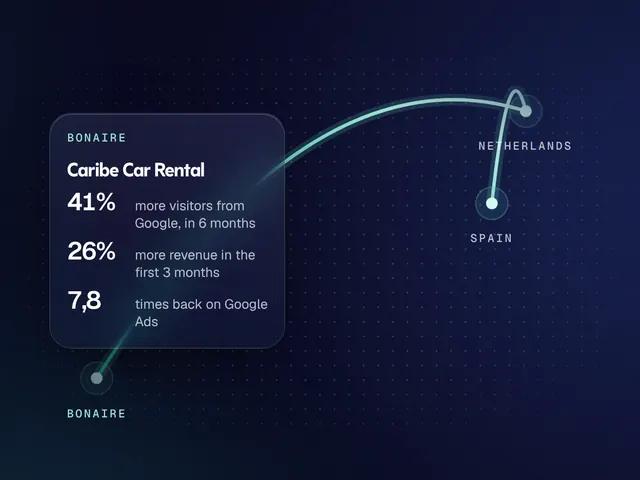
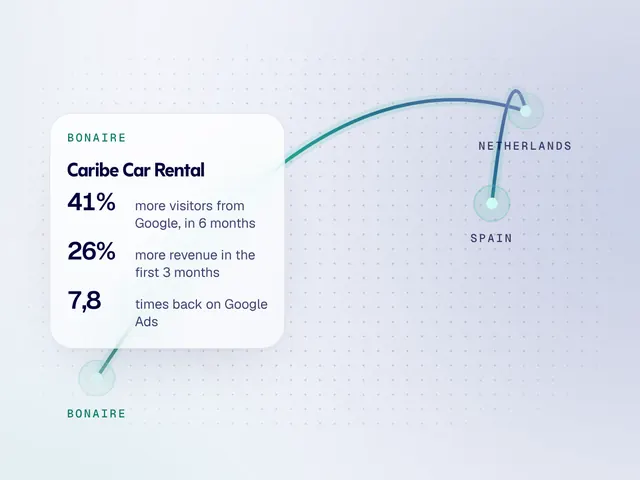
Dimitry founder of Growetic. He does SEO, Google Ads and websites for businesses in the Netherlands, on Bonaire and in Spain.